
Table of Contents
ToggleMobile technology shapes how people work, communicate, and access information. From smartphones to wearables, mobile devices have become essential tools in modern life. This guide explores what mobile technology includes, the types of devices available, their key features, and the trends shaping this industry. Whether someone wants to understand their current device better or stay informed about upcoming innovations, this resource covers the fundamentals and future directions of mobile technology.
Key Takeaways
- Mobile technology includes smartphones, tablets, wearables, and portable hotspots that connect wirelessly to cellular or Wi-Fi networks.
- Over 6.8 billion people worldwide use mobile phones, making it one of the most widely adopted technologies in human history.
- Modern mobile devices feature powerful processors, advanced camera systems, and 5G connectivity that rival traditional computers.
- Mobile technology transforms daily life by enabling remote work, mobile banking, telemedicine, and on-demand entertainment.
- Emerging trends like AI integration, foldable displays, and satellite connectivity are shaping the future of mobile devices.
- Sustainability efforts, including recycled materials and longer software support, are becoming priorities for mobile manufacturers.
What Is Mobile Technology?
Mobile technology refers to any portable device that connects to the internet or cellular networks. These devices allow users to communicate, access data, and run applications without being tied to a fixed location.
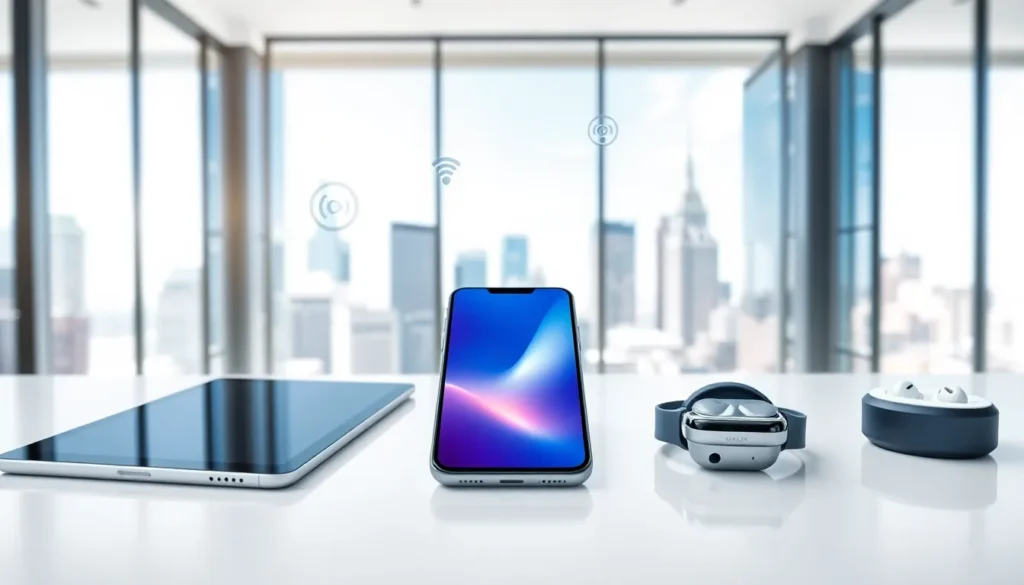
The term “mobile” covers a broad range of products. Smartphones represent the most common example, but tablets, smartwatches, and portable hotspots also fall under this category. Each mobile device relies on wireless connectivity, either through cellular networks (4G, 5G) or Wi-Fi, to function.
Mobile technology has evolved rapidly since the first cell phones appeared in the 1980s. Early mobile phones could only make calls. Today’s mobile devices serve as cameras, GPS navigators, payment systems, and entertainment centers. This transformation happened because of advances in processing power, battery technology, and network speeds.
The global mobile market continues to expand. According to industry reports, over 6.8 billion people worldwide use mobile phones. That number represents roughly 85% of the world’s population. Mobile technology has become one of the most adopted technologies in human history.
Types of Mobile Devices
Mobile devices come in several categories. Each type serves different purposes and use cases.
Smartphones
Smartphones dominate the mobile market. These devices combine phone capabilities with computing power. Users can make calls, send messages, browse the internet, take photos, and run thousands of applications. Apple’s iPhone and Samsung’s Galaxy series represent the leading smartphone brands. Most smartphones now feature screens between 6 and 7 inches.
Tablets
Tablets offer larger screens than smartphones, typically ranging from 8 to 13 inches. They work well for reading, watching videos, and light productivity tasks. The iPad remains the most popular tablet, though Android tablets from Samsung and Lenovo hold significant market share. Many professionals use tablets as secondary mobile devices for presentations and note-taking.
Wearables
Wearable mobile devices include smartwatches and fitness trackers. The Apple Watch, Samsung Galaxy Watch, and Fitbit products lead this category. These mobile accessories track health metrics, display notifications, and even allow users to make payments. Some wearables operate independently with their own cellular connections.
Laptops and Portable Computers
While not always categorized as mobile devices, laptops with cellular connectivity qualify as mobile technology. These machines offer full computing power with the ability to connect anywhere. Chromebooks and certain Windows laptops include built-in SIM card slots for mobile data access.
Mobile Hotspots
Dedicated mobile hotspots create Wi-Fi networks using cellular data. They allow multiple devices to share one mobile data connection. Business travelers and remote workers often rely on these devices for reliable internet access.
Key Features of Modern Mobile Devices
Today’s mobile devices pack impressive capabilities into small packages. Several features define what users expect from modern mobile technology.
Processing Power
Mobile processors have become incredibly powerful. The latest chips from Apple, Qualcomm, and Samsung rival some laptop processors in performance. This power enables mobile devices to run complex applications, edit videos, and play graphically demanding games.
Display Technology
Mobile screens have improved dramatically. OLED and AMOLED displays deliver vibrant colors and deep blacks. High refresh rates (90Hz, 120Hz, or even 144Hz) make scrolling and gaming smoother. Some mobile devices now feature foldable screens that expand from phone-sized to tablet-sized.
Camera Systems
Mobile photography has transformed how people capture images. Multiple camera lenses provide wide-angle, telephoto, and macro capabilities. Computational photography, using software to enhance images, allows mobile cameras to produce professional-quality photos in challenging conditions.
Battery and Charging
Battery capacity in mobile devices has increased while fast charging has become standard. Many smartphones can charge from empty to 50% in under 30 minutes. Wireless charging eliminates the need for cables entirely.
Connectivity Options
5G networks offer faster speeds and lower latency than previous generations. Wi-Fi 6 and Wi-Fi 7 improve wireless performance at home and in offices. Bluetooth 5.0 and newer versions provide better range and audio quality for mobile accessories.
How Mobile Technology Impacts Daily Life
Mobile technology affects nearly every aspect of modern life. Its influence extends from personal communication to entire industries.
Communication and Social Connection
Mobile devices keep people connected constantly. Video calls, instant messaging, and social media apps make distance irrelevant for communication. Families separated by continents can see each other’s faces daily through their mobile phones.
Work and Productivity
Remote work depends heavily on mobile technology. Employees access email, collaborate on documents, and attend meetings from anywhere. Mobile apps for project management, time tracking, and communication have created entirely new work patterns.
Healthcare
Mobile health applications track fitness, monitor chronic conditions, and remind patients to take medications. Some mobile devices can detect heart irregularities or measure blood oxygen levels. Telemedicine appointments happen through mobile video calls, expanding healthcare access.
Commerce and Banking
Mobile payments have changed how people buy things. Apple Pay, Google Pay, and similar services let users pay with their phones. Mobile banking apps allow people to deposit checks, transfer money, and manage accounts without visiting a branch.
Entertainment
Streaming services deliver movies, music, and games directly to mobile devices. People consume more entertainment on mobile screens than ever before. Mobile gaming alone generates over $90 billion in annual revenue globally.
Education
Students access course materials, submit assignments, and attend virtual classes through mobile devices. Educational apps teach languages, coding, and countless other skills. Mobile technology has made learning accessible to people who lack traditional educational infrastructure.
Emerging Trends in Mobile Technology
The mobile industry continues to advance. Several trends will shape mobile devices and usage patterns in the coming years.
Artificial Intelligence Integration
AI features are becoming central to mobile experiences. On-device AI processing enables smarter cameras, voice assistants, and predictive text. Apple Intelligence, Google’s Gemini, and Samsung’s Galaxy AI represent this shift. Future mobile devices will rely even more heavily on AI for personalization and automation.
Foldable and Flexible Displays
Foldable mobile phones have moved beyond novelty status. Samsung, Google, and others now offer foldable devices that provide larger screens in pocketable formats. The technology continues to improve, with better durability and reduced crease visibility.
Extended Reality (XR)
Mobile devices increasingly support augmented reality (AR) applications. Users can visualize furniture in their homes, try on virtual clothing, or play location-based games. Apple’s Vision Pro and similar devices hint at how mobile computing might merge with immersive experiences.
Satellite Connectivity
Some mobile phones now connect to satellites when cellular networks aren’t available. Apple and Google have introduced emergency SOS via satellite features. This technology could expand to include regular messaging and data in remote areas.
Sustainability Focus
Manufacturers are addressing mobile technology’s environmental impact. Recycled materials, longer software support periods, and easier repairs are becoming standard. The European Union now requires removable batteries and common charging ports for mobile devices sold in its markets.


